
With the 2025 season in the rearview mirror, Formula 1 is preparing for one of its biggest regulation changes in years. From 2026, the Drag Reduction System (DRS) will be replaced by Overtake Mode—a new hybrid-based system designed to change how overtaking works in F1. This new system uses power from the cars’ hybrid engines, not aerodynamics.
Here’s all you need to know about the two systems, and what it means for us watching at home.
Why DRS existed, and why it’s going away
The DRS was introduced in 2011 to increase drivers’ chances of successfully overtaking on track. DRS worked by allowing drivers to open a section of their car’s rear wing, reducing drag. It could only be used in certain sections of each track, and only while maintaining a gap of less than one second from the car in front. When DRS debuted, it was met with some criticism, with some accusing the system of cheapening or oversimplifying overtakes.
The 2026 aero concept allows for less drag by default, with drivers able to change the car’s active aerodynamics at will when it suits their needs on track. This new active aero package thereby renders the DRS system redundant.
With the 2026 cars being smaller, lighter, and more energy-limited, a new overtaking tool was needed to suit the new regulations. This new system looks to reward driver judgment and energy management more than the previous one did.
What is Overtake Mode, and how does it work?
Overtake Mode is a driver-activated hybrid deployment boost delivered by the engine’s Motor Generator Unit-Kinetic (MGU-K). This feature replaces the opening of the rear wing from the outgoing DRS. Overtake Mode allows drivers to store an additional 0.5 MJ of energy, then deploy it on the following lap as an added burst of electrical power. Drivers are expected to be allowed to activate it when running within one second of the car ahead while crossing what the FIA Sporting Regulations call the “detection line.”
Instead of delivering a short, sudden speed spike, the system is designed to let drivers carry higher speeds for longer periods of time. This makes it most effective on long straights, where sustained power can gradually close the gap to the car in front rather than relying on a single instance of drag reduction.
Overtake Mode versus DRS: Side-by-side
| DRS | Overtake Mode | |
|---|---|---|
| Concept: | Aero-based | Hybrid energy-based |
| How it works: | Opens the rear wing flap | Extra power via MGU-K |
| Benefit: | Reduces drag up to 10-20 km/h | Stores an additional 0.5 MJ of power for a sustained boost |
| Where it can be used: | Only allowed in DRS zones | No designated zone |
| Negative aspects: | Criticism: ‘automatic’ overtakes | Battery management could be a strategic pitfall |
What this means for drivers
When speaking to multiple media outlets regarding the new regulations, Mercedes driver George Russell has said:
I think you will see more overtakes next year, but more overtakes in obscure locations—in locations where we’ve never seen overtakes before.
If a driver’s at the bottom of their battery, and the one behind has more battery, in a given section of the track, they can suddenly jump past them at a corner in the past where there would never be an overtake.
In terms of override itself, we said in the past we never like to see just pure DRS overtakes. I think the 2026 regs will offer better racing.
With the new power units split around 50/50 between combustion and battery power, drivers will have to be much more strategic about lifting in certain sections of the track to harvest energy. This need for effective battery management could be a make-or-break factor in race outcomes in the upcoming season.
The new cars may actually be slower?
The FIA’s single-seater director, Nikolas Tombazis, has said the 2026 cars are expected to be around two seconds slower than the previous generation. It may seem counterintuitive that new, supposedly improved regulations would produce slower cars, but Tombazis suggests that this is normal:
At the start of a cycle, it would be silly to be faster than the previous cycle. It would cost us nothing from a regulations point of view, it would be very easy to make the cars go faster.
But one has to gradually claw back what is gained by natural development. So you can’t start the cycle going faster than the previous one. In 20 years from now, you can imagine what would happen.
It’s natural that the cars are a bit slower, but I don’t think we are anywhere near the ‘it’s not a Formula 1’ discussion in any way or shape.
The loss in lap times may be remedied over time as teams continue to develop their cars under these new regulations, eventually returning to the lap times achieved in the previous generation.
Main takeaways for the new change
- Overtakes will be less predictable and less zone-dependent
- Battery management will be essential
- Early races may reward adaptability over outright speed
The new regulations, including Overtake Mode, may not end up being a perfect solution for overtaking in Formula 1, but they represent a shift in priorities. This shift suggests a desire to put more weight on driver skills and team strategy rather than simple aerodynamic gimmicks. If the teams can manage to navigate these new rules in the races to come, 2026 may shape up to be a genuinely competitive and entertaining season.
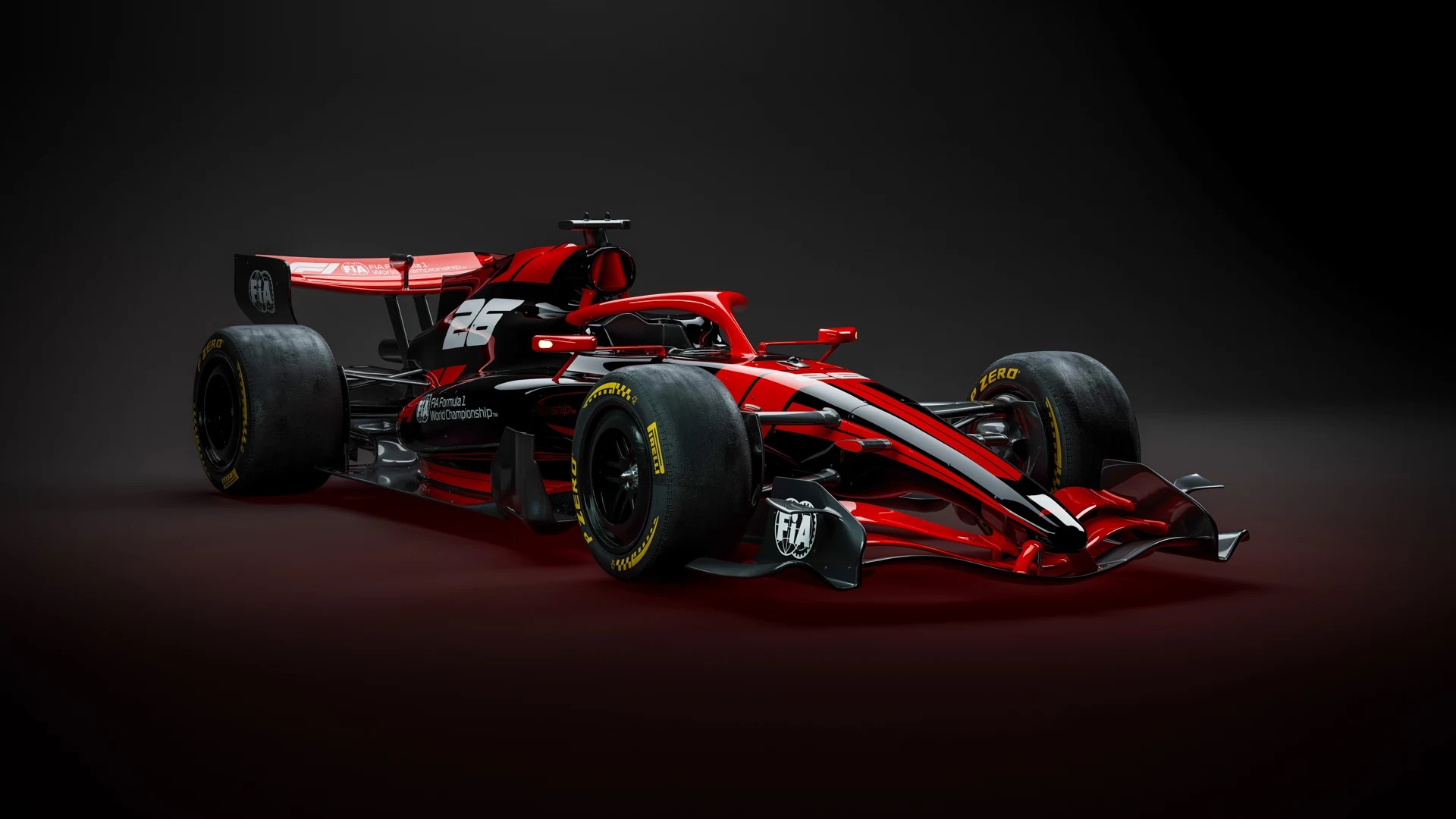
Image from formula1.com


Leave a Reply